VOL- 12 ; ISSUE 02 - PUNE RESEARCH SCHOLAR (ISSN 2455-314X) JIF 4.15
12.2 SCHOLAR
Area of Article : ALL
VOL- 12 ; ISSUE 02 - PUNE RESEARCH SCHOLAR (ISSN 2455-314X) JIF 4.15
12.2 SCHOLAR
VOL- 12 ; ISSUE 02 - PUNE RESEARCH SCHOLAR (ISSN 2455-314X) JIF 4.15
12.2.1 SCHOLAR
VOL- 12 ; ISSUE 02 - PUNE RESEARCH SCHOLAR (ISSN 2455-314X) JIF 4.15
12.2.2 SCHOLAR
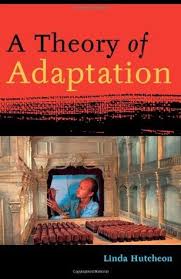
Adaptation theory and cross-media translation have emerged as
central areas of inquiry in literary, film, and cultural studies due to the
increasing movement of stories across diverse media platforms. From novels
transformed into films to myths recreated through web series, graphic novels,
digital games, and streaming content, adaptation reflects the dynamic
relationship between text, technology, and audience reception. This research
paper examines the conceptual foundations of adaptation theory, explores the
evolution of cross-media translation, and analyzes how narratives are
transformed when shifting from one medium to another. Drawing upon the works of
theorists such as Linda Hutcheon, Robert Stam, André Bazin, Roland Barthes, and
Marshall McLuhan, the study investigates the aesthetic, ideological, and
cultural implications of adaptation. The paper also discusses fidelity
criticism, intertextuality, transmediality, and audience interpretation in
contemporary adaptation practices. Through selected examples from Indian and
global cinema, the paper argues that adaptation is not merely a process of
reproduction but an act of reinterpretation and creative negotiation shaped by
cultural, technological, and ideological contexts.
Keywords: Adaptation Theory,
Cross-Media Translation, Intertextuality, Cinema Studies, Literary Adaptation,
Transmedia, Narrative Transformation, Media Studies

VOL- 12 ; ISSUE 02 - PUNE RESEARCH SCHOLAR (ISSN 2455-314X) JIF 4.15
12.2.3 SCHOLAR
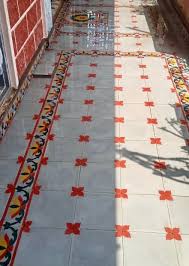
This research aims to develop a standardized installation
guideline for Athangudi tiles by combining traditional craftsmanship with
contemporary construction practices. This research focuses on the tile
installation techniques so that the traditional practice of making of the tile
by artisan community can still be maintained without being disrupted, instead
serving as a guideline for laying of the artisan made tiles through a detailed
review of literature regarding athangudi tiles, analysis of artisan methods for
the installation of tiles, and comparative analysis of existing flooring
standards of Marble/ Granite, the study identifies the crucial parameters influencing
installation quality. The expected outcome of the study are step-by-step
guidelines that can serve as a reference material for architects, interior
designers, and masons emphasizing key procedures to be followed for the proper
installation of Athangudi Tiles. By systemizing the tile installation and
handling processes, this research seeks to spread works of these artisan
communities through awareness methods for the masons to learn the laying
technique through workshops, exhibitions, entrepreneurial centre.