11.2 DISCOVERY

Area of Article : ALL

Article Image

VOL- 11, ISSUE- 02, PUNE RESEARCH DISCOVERY (ISSN 2455-9202) JIF 3.96

DISCOVERY

ABSTRACT

PUNE RESEARCH DISCOVERY 

AN INTERNATIONAL JOURNAL OF ADVANCED STUDIES

( ISSN  2455 - 9202 ONLINE ) (JIF 3.96) 

 (VOL 11, ISSUE 02)   (MAY - JULY 2026

11.2.1 DISCOVERY

Area of Article : LAW

Article Image

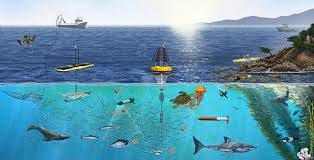
MANGROVE AS A SOURCE TO CONSERVE, PRESERVE AND PROTECT MARINE BIODIVERSITY

MOTLA SUMAN JAYANTILAL CHANDRIKABEN & DR. SUBHASH P. RATHORE

ABSTRACT

In this regard, mangroves are not isolated ecological entities but form part of an interconnected blue ecosystem network, encompassing both saline and freshwater systems, which collectively perform essential planetary functions such as regulation of temperature, oxygen generation, freshwater storage and purification, and biodiversity conservation. However, it is a matter of grave concern that these ecosystems are increasingly threatened by the “triple planetary crisis”—namely climate change, biodiversity loss, and pollution—aggravated by anthropogenic pressures such as unsustainable coastal development, extractive activities, energy generation, aquaculture expansion, and indiscriminate resource exploitation. Such degradation directly impairs the ecological balance and undermines the continued provision of life-supporting ecosystem services. In this context, international institutional mechanisms, including the United Nations Environment Programme, have emphasized the urgent necessity of adopting integrated conservation strategies aimed at the protection, restoration, and sustainable management of blue ecosystems across the water continuum. In conclusion, it is respectfully submitted that mangrove ecosystems, as a critical component of blue infrastructure, warrant the highest degree of legal recognition and protection. Their conservation is not merely an environmental objective but a legal and ecological imperative, essential for safeguarding biodiversity, ensuring climate resilience, and securing the rights and livelihoods of present and future generations.

KEYWORDS: Nature, Restore, Habitat, ecosystem, carbon sink, coral reef, flood barriers, moderates temperature, humidity, wind, mitigate climate change, restoration, Sustainable, Mangrove Forest.
12.2.2 DISCOVERY

Area of Article : LITERATURE

Article Image

FROM TEXT TO SCREEN: GENDER AND REPRESENTATION IN MARATHI LITERARY ADAPTATIONS

DR. PANKAJ LOKHANDE

ABSTRACT

The relationship between literature and cinema has long served as a dynamic site for the negotiation of social identities, cultural values, and ideological frameworks. Marathi cinema, deeply rooted in the literary traditions of Maharashtra, frequently adapts novels, plays, autobiographies, and short stories into visual narratives. This paper examines the representation of gender in Marathi literary adaptations and investigates how cinematic reinterpretations reshape female identity, masculinity, sexuality, and social power. Through the analysis of selected films such as Natrang (2010), Jogwa (2009), Katyar Kaljat Ghusali (2015), and Sairat (2016), alongside their literary and theatrical origins, the paper explores the transformation of gendered narratives from text to screen. The study employs feminist film theory, adaptation theory, and cultural studies to argue that Marathi cinematic adaptations both challenge and reinforce patriarchal structures. While some films create spaces for marginalized voices and subaltern identities, others dilute literary radicalism through commercial cinematic aesthetics. The paper concludes that Marathi literary adaptations function as significant cultural texts reflecting the evolving discourse on gender, caste, and representation in contemporary Maharashtra.

Keywords: Marathi cinema, literary adaptation, gender representation, feminism, subalternity, Marathi literature, adaptation studies.

11.2.3 DISCOVERY

Area of Article : ARCHITECTURE

Article Image

SOCIAL MEDIA INFLUENCE VS PRACTICALITY: WHEN AESTHETICS FAIL FUNCTION

Prof. Ar. SAMRUDDHI CHITNIS & JAMILA KUTUBJIWALA

ABSTRACT

Social media has become a powerful force shaping the future of interior design. Platforms like Instagram, design blogs, and lifestyle channels feature carefully staged and edited images that show a perfect version of interiors. These polished visuals heavily focus on style, symmetry, and visual appeal while often overlooking the practical needs of daily life. As a result, what is considered “good” design has changed. People are increasingly valuing looks over comfort, function, and cultural relevance. While this content can inspire creativity and bring global design trends to a wider audience, it has also created new challenges. Many individuals, influenced by these online images, opt for interiors that look perfect in photographs but are difficult to maintain, fragile, or unsuitable for everyday living. Designs like all-white rooms, open shelving, or delicate fabrics may be visually appealing online but require high upkeep and offer limited usability. Over time, these spaces risk becoming unsustainable, impersonal, and disconnected from their occupants' lifestyles. This study looks at the growing gap between online aesthetics and practical functionality. It argues for a balanced design approach that celebrates beauty while also valuing comfort, usability, sustainability, and authenticity. This ensures that interiors function well in real life as they do on screen.

Keywords: Social media interiors; Visual culture; Practical design; Functional design failure; Trend-driven design; Aesthetic pressure; Real-life usability; Authenticity in design; Context-based interiors; Spatial efficiency; Home functionality.